
Numa
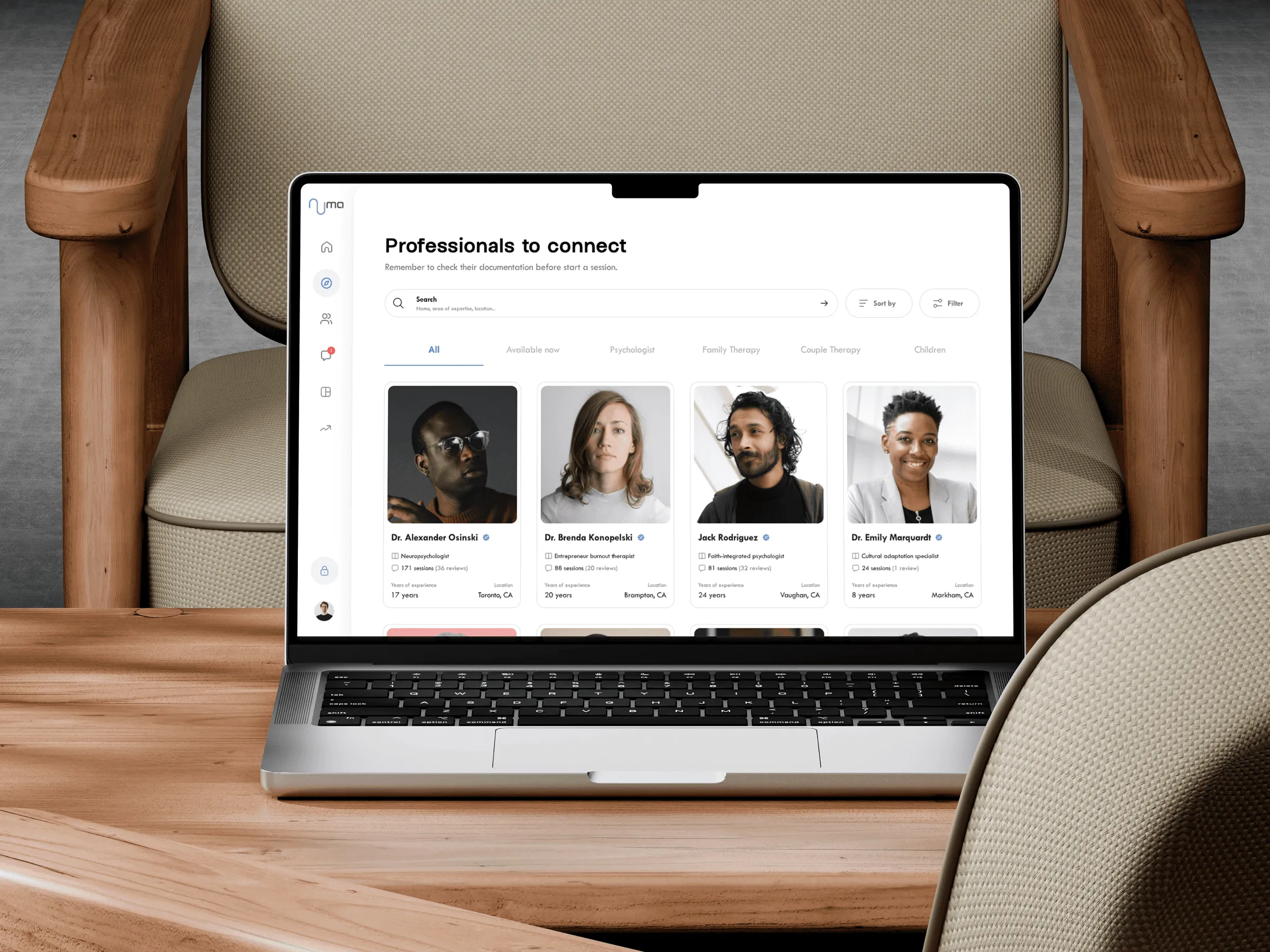
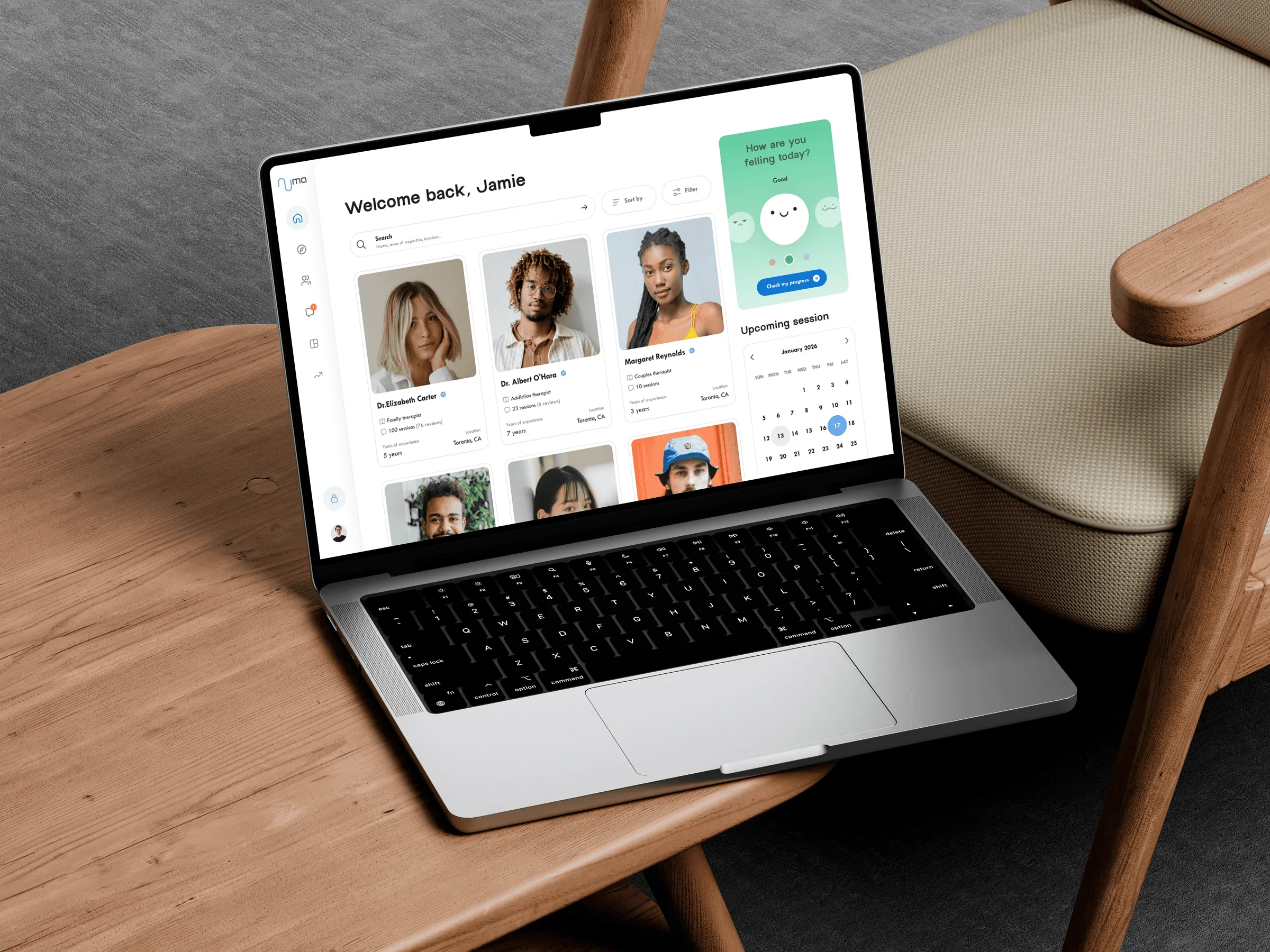
Numa is a dual-sided mental health platform designed to connect professionals with patients in single, centralized hub.
overview
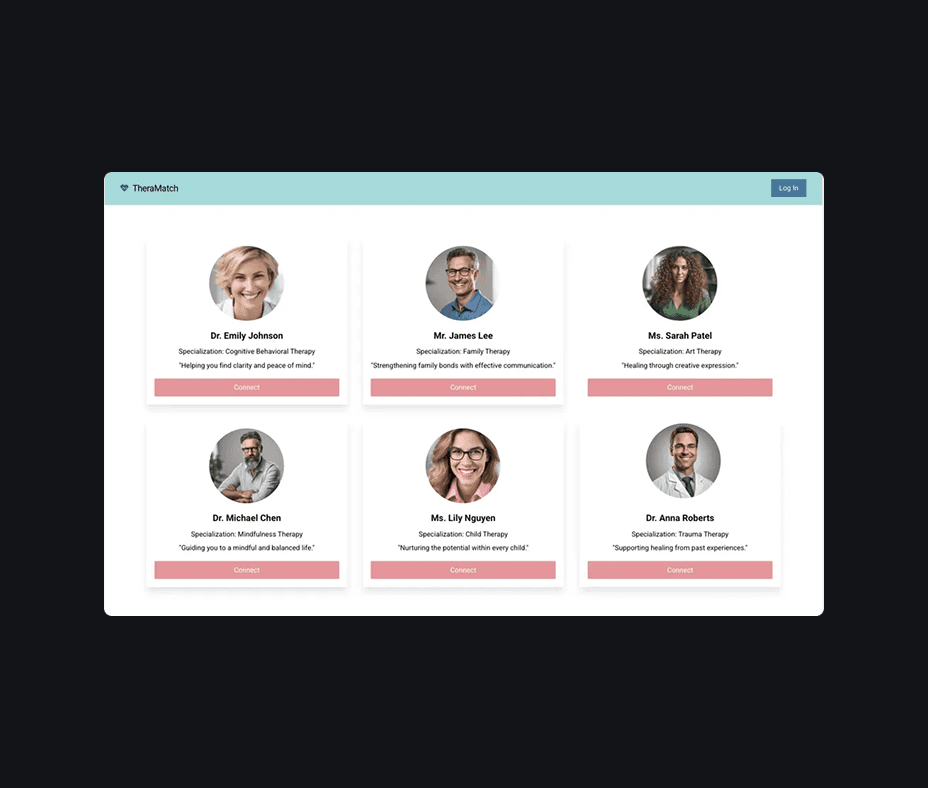
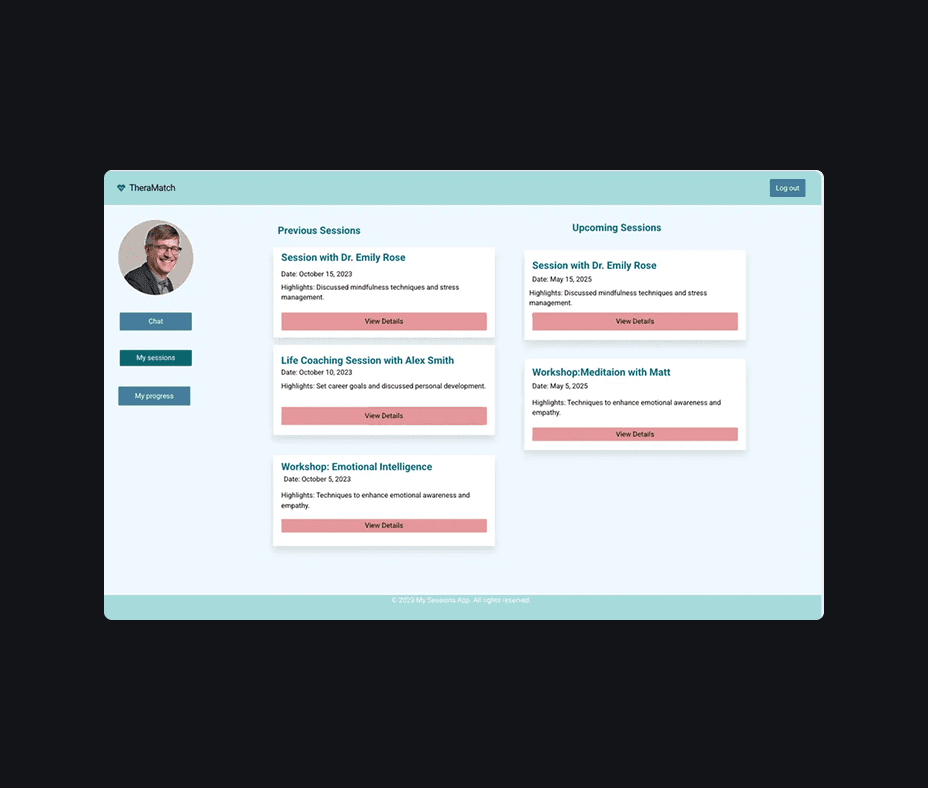
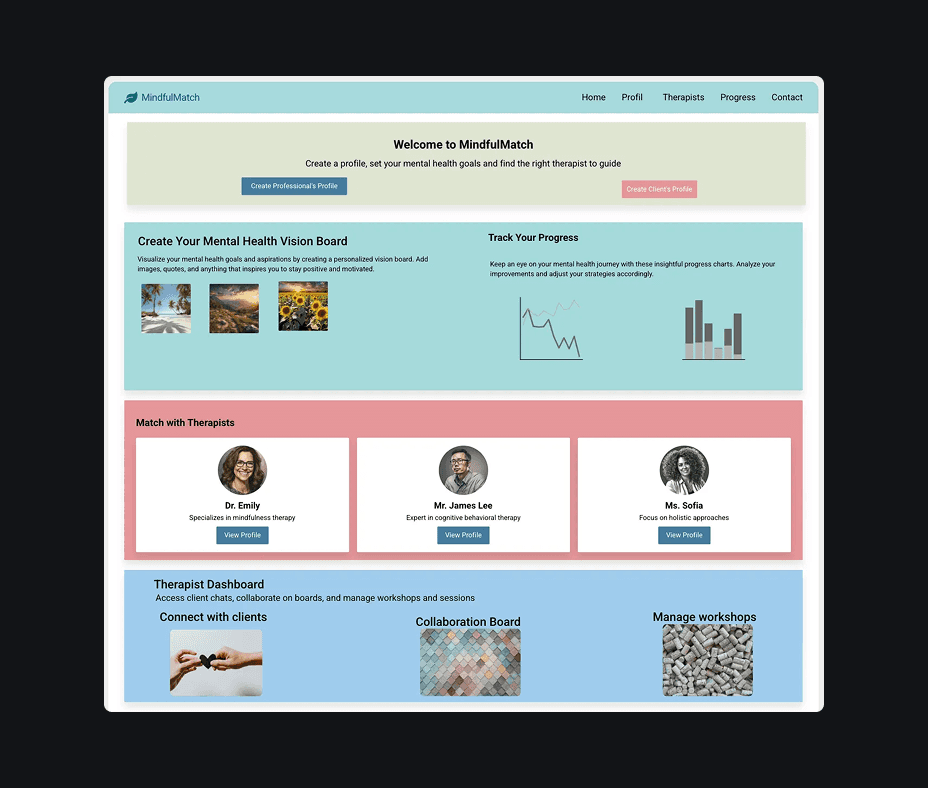
Before my involvement, the team had experimented with AI to generate interfaces quickly. While fast, the results lacked structure, usability, and credibility. There was no clear sense of how the product actually worked.
At the same time:
Investors were questioning the platform’s readiness
A major funding round was approaching
The company required a clear and functional MVP to proceed
The task was straightforward and tough:
“Define the product, design it, and make it believable, quickly.”
TL;DR Impact
Delivered core MVP 14 days early
$400k investment approved
95% user satisfaction vs. previous AI-generated UI
TEAM



ROLE
Product Designer
UX Researcher
INDUSTRY
TIMELINE
August 2025 - Dec. 2025
Oh, important
Due to confidentiality, I had no access to users during the design phase
Aligned decisions with the client through one weekly meeting only.
Constraints solutions
To move fast without guessing blindly, I strategically used AI to:
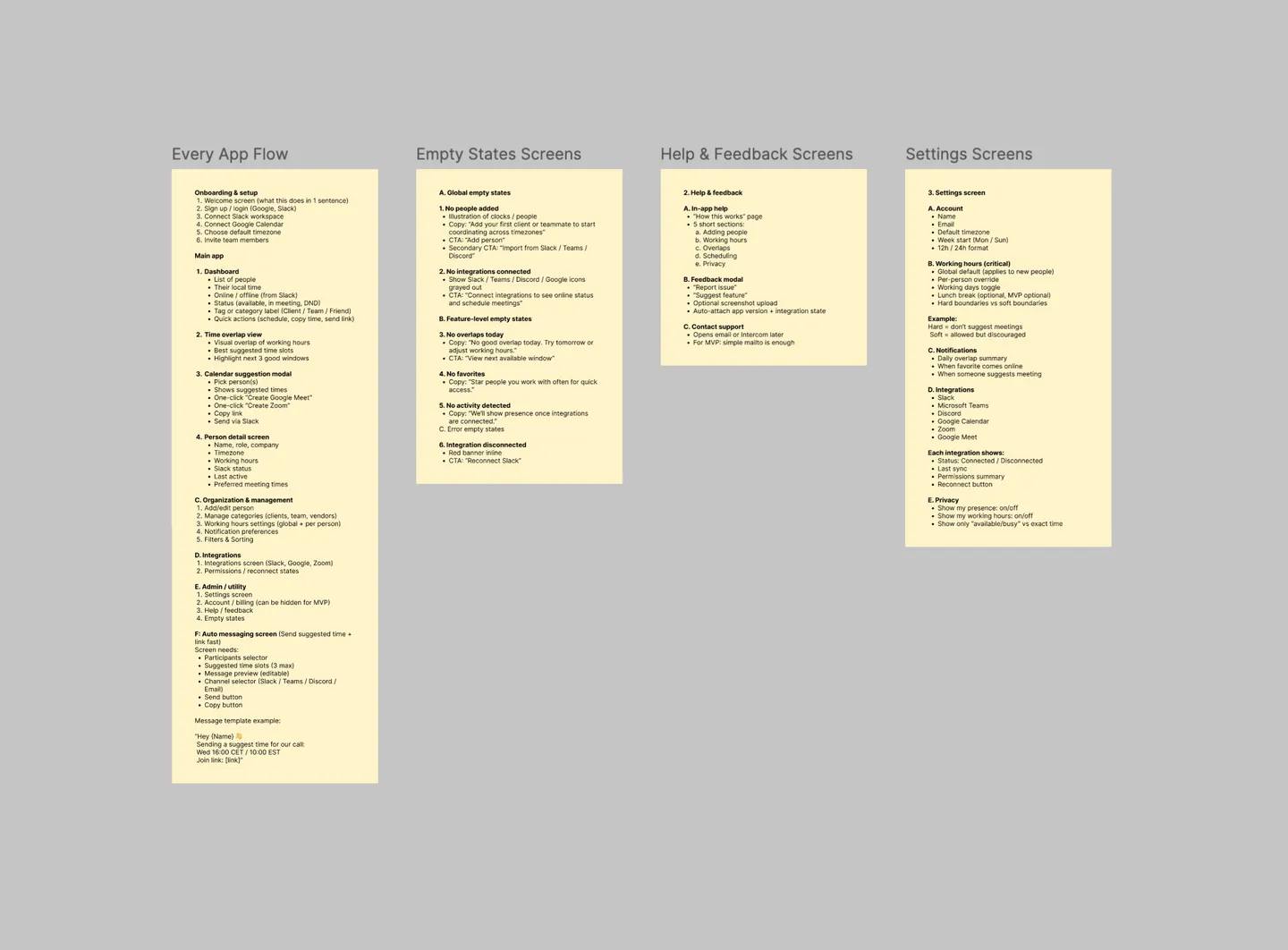
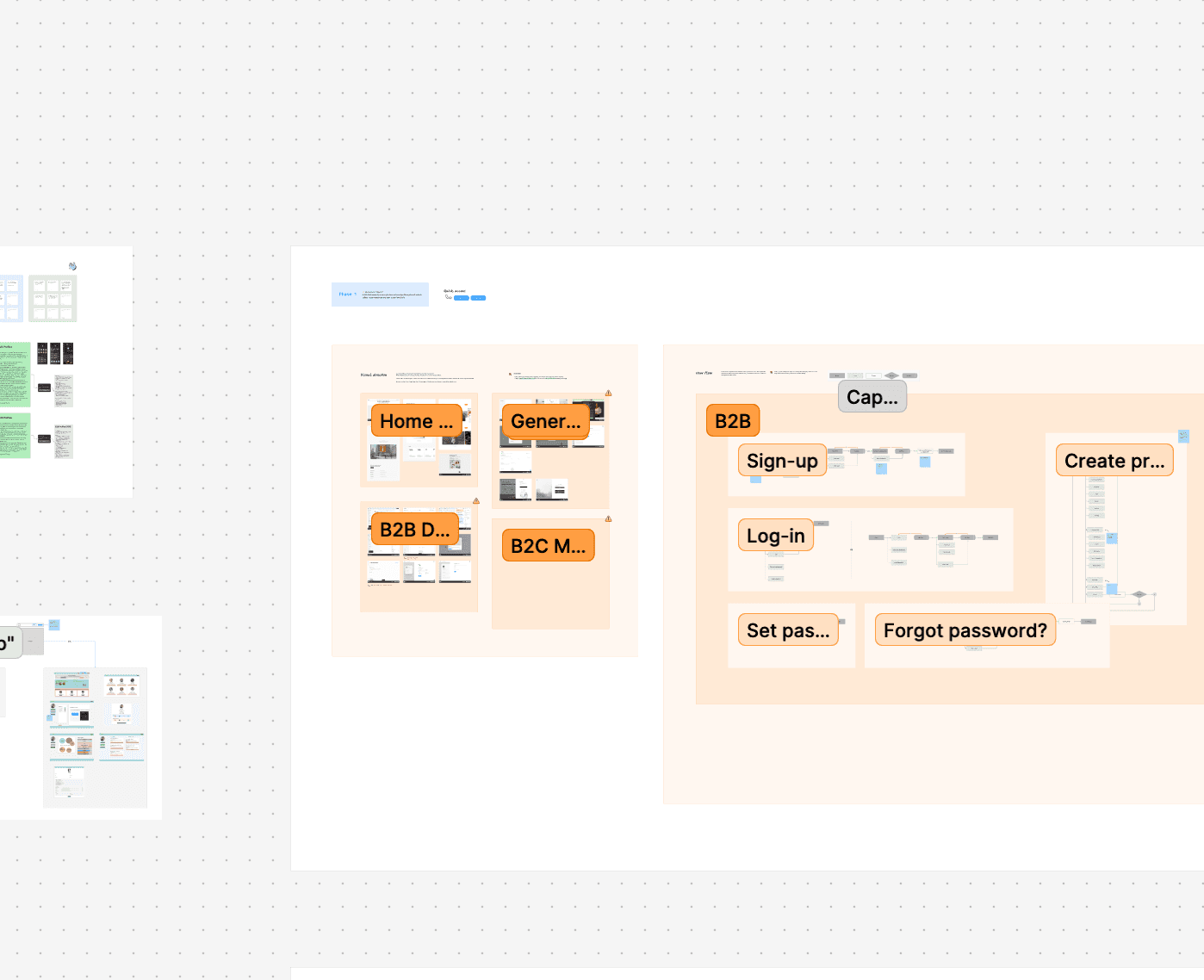
Accelerate early structure (sitemap, user flows, task flows, wireframes…)
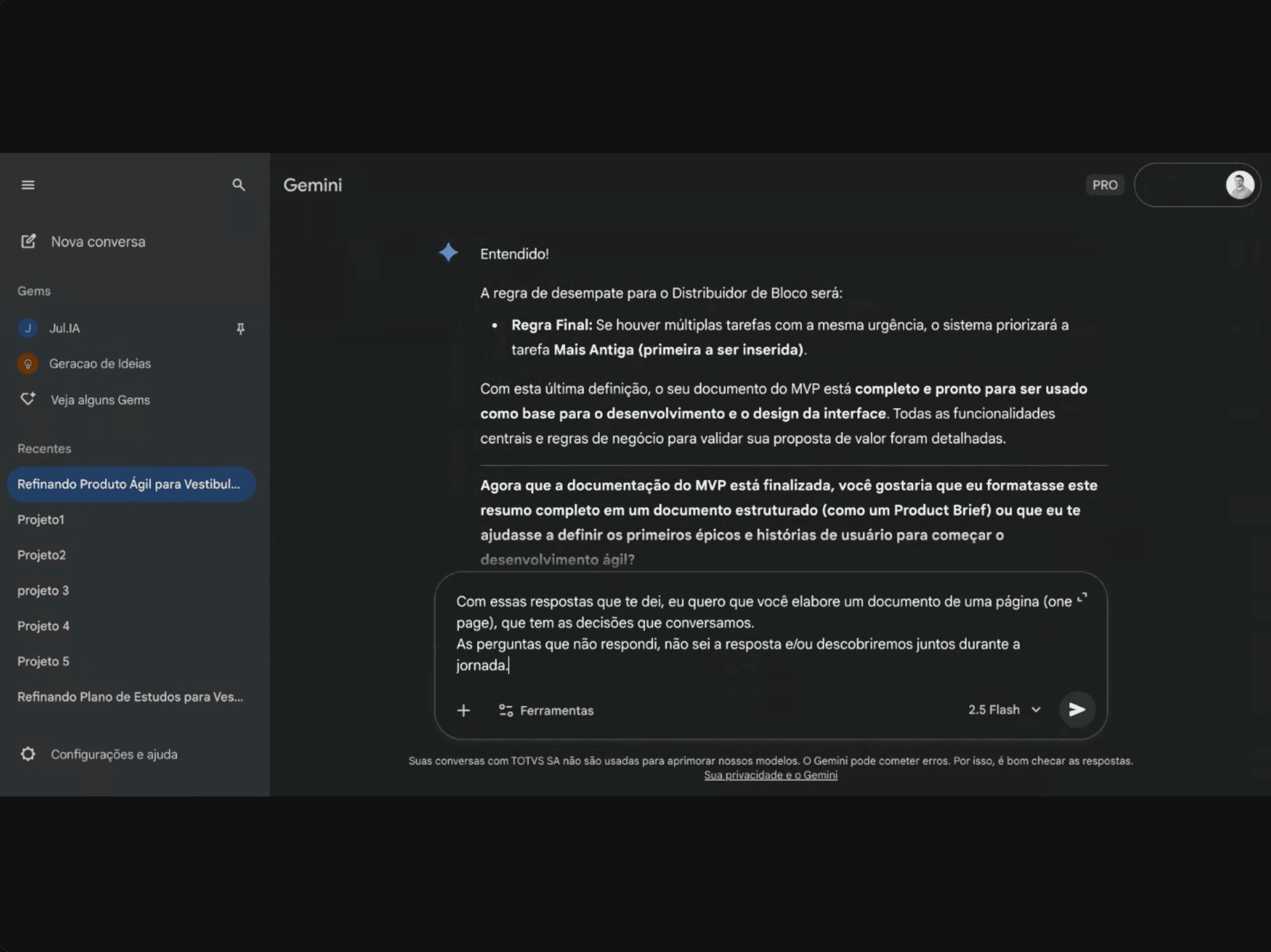
Developed a synthetic user using Google Gemini, designed to act like an interview participant, biased with realistic mental health data
PS: The synthetic user was not a replacement for a real user validation, which was planned post-MVP.
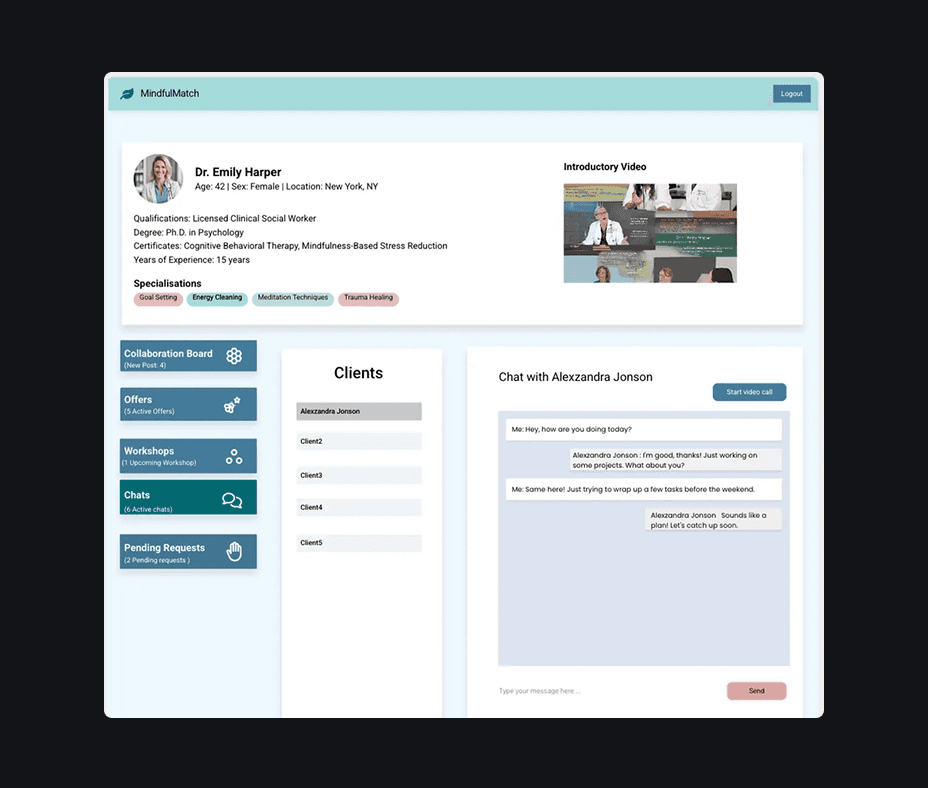
BTW, the old AI generated screens 💀
Execution
The process progressed quickly and thoughtfully:
Product structure and flows came first
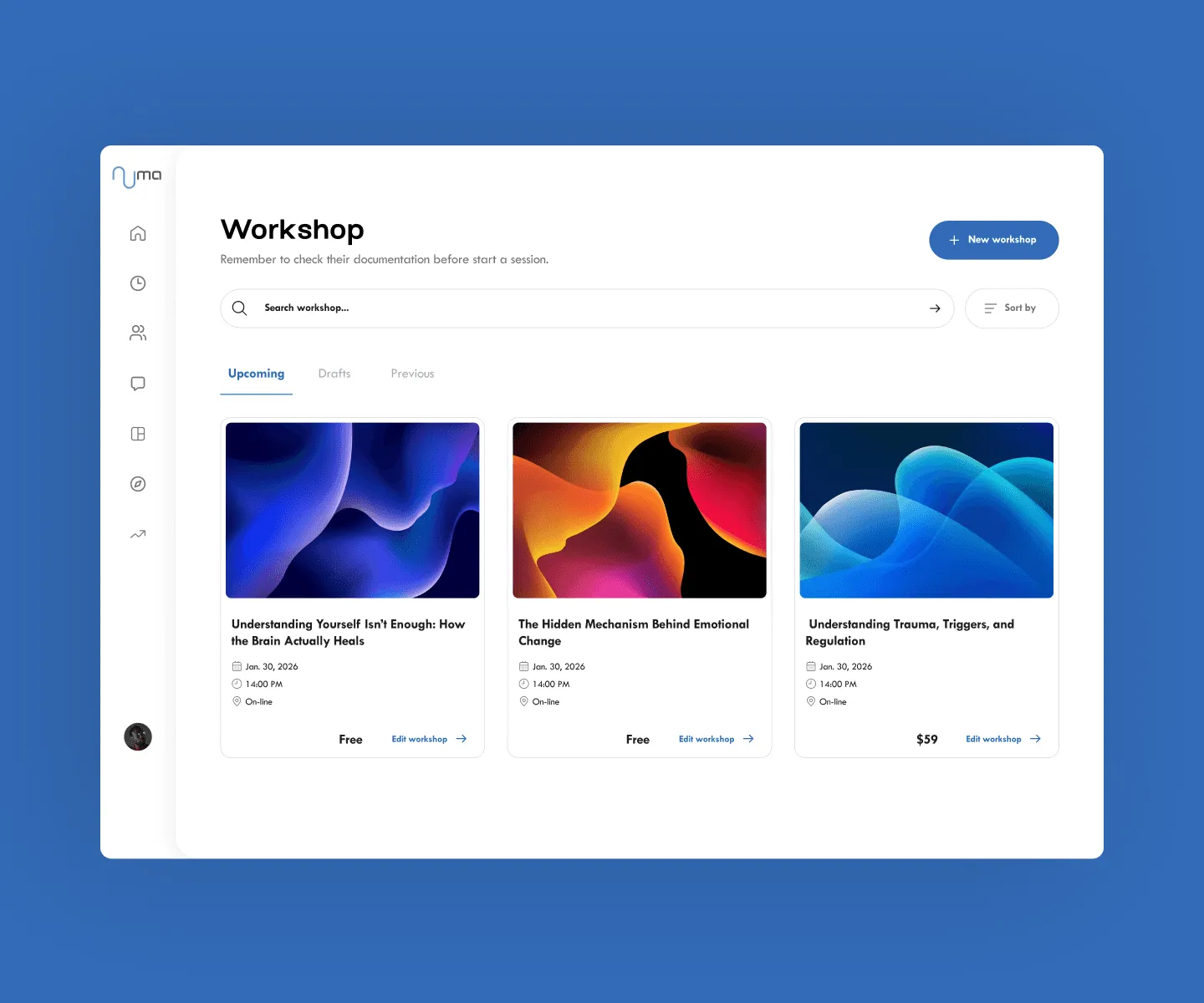
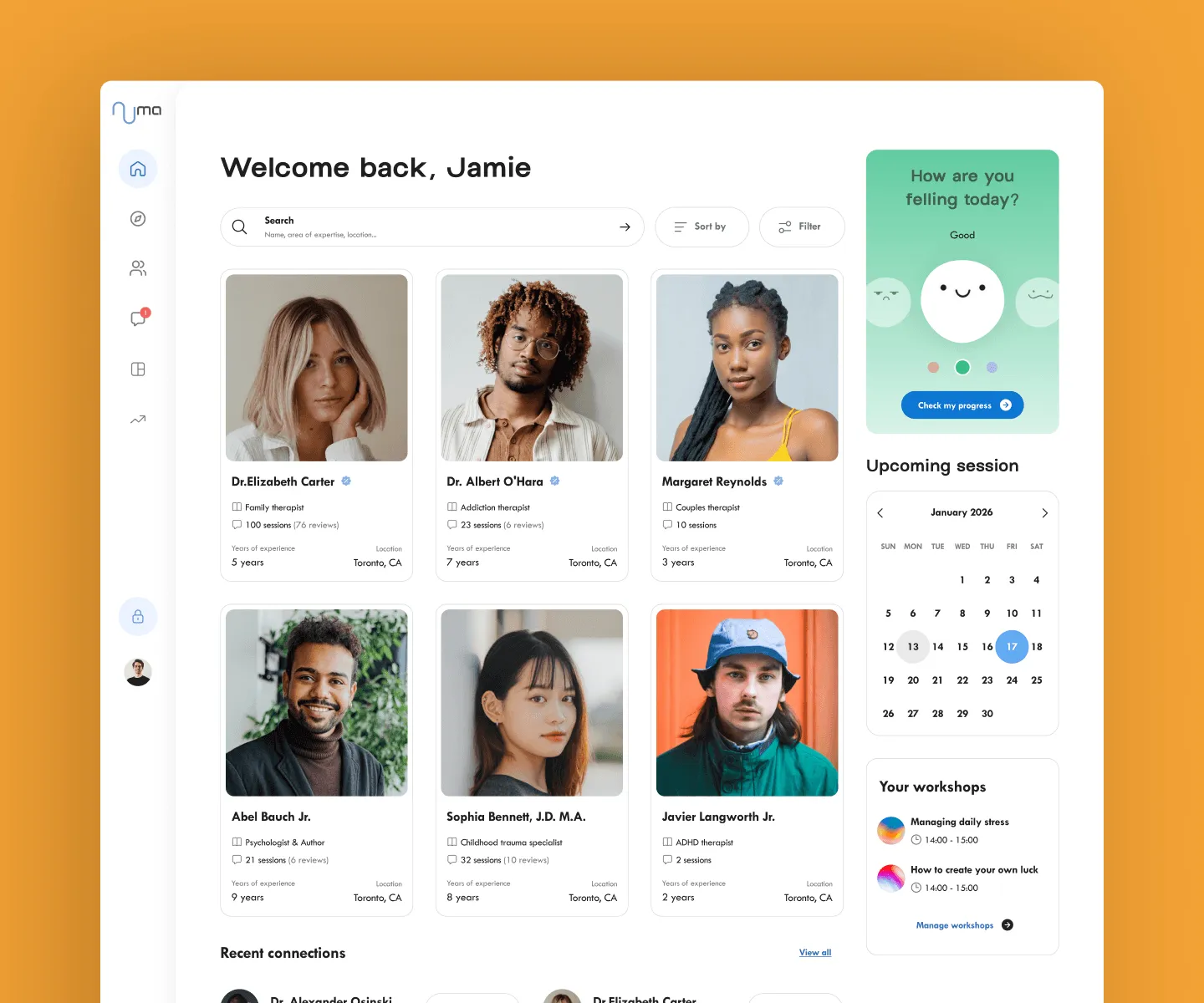
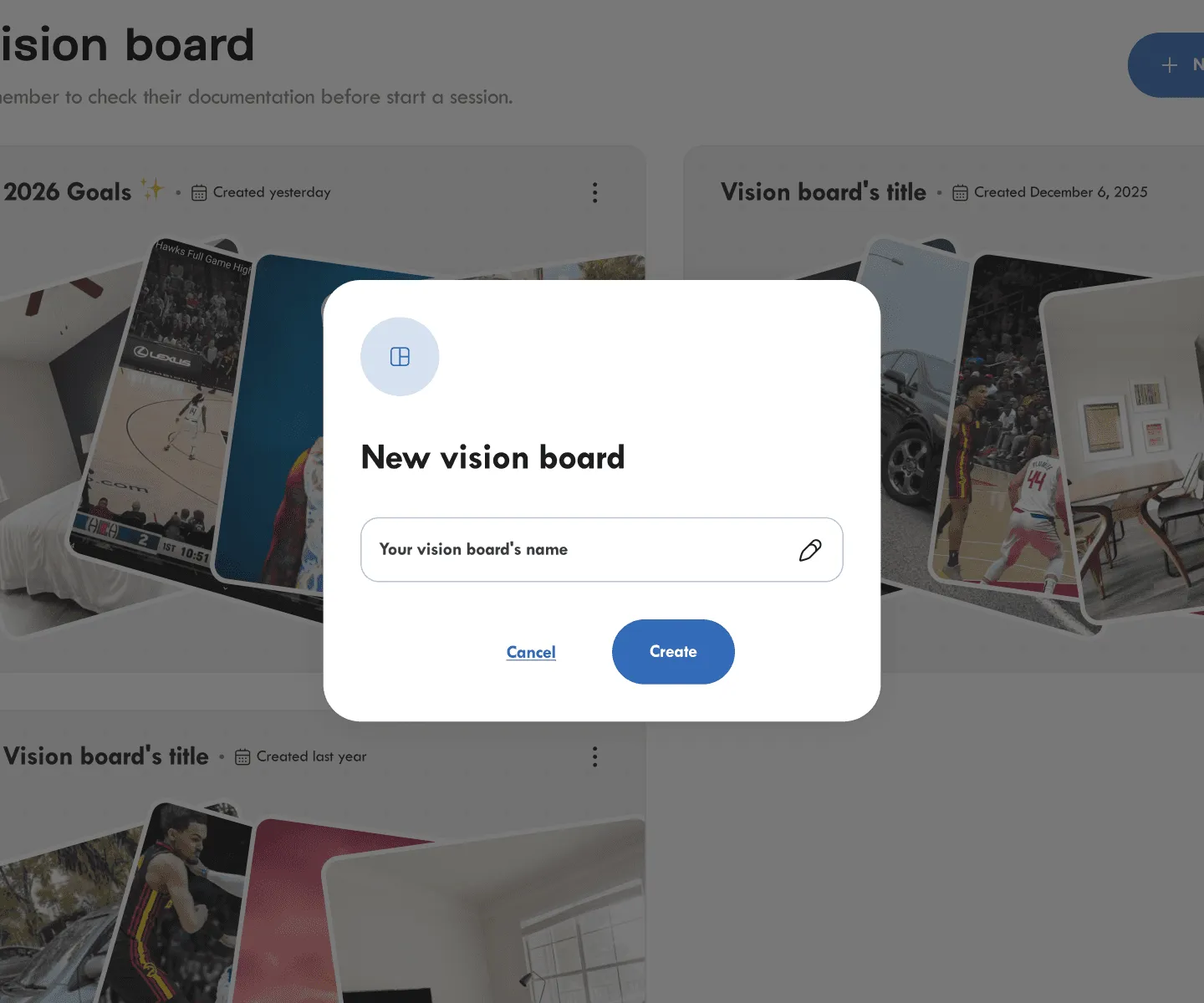
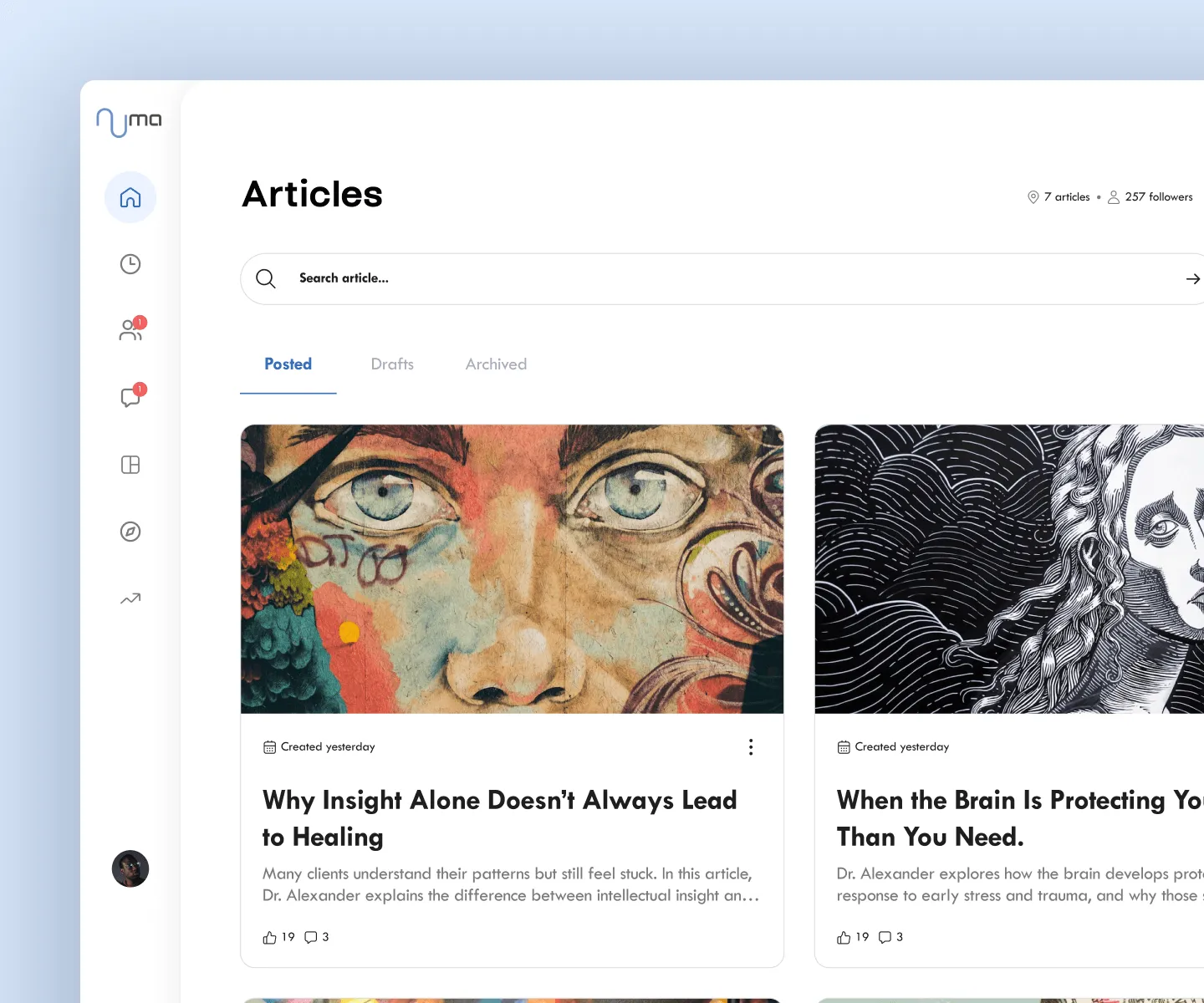
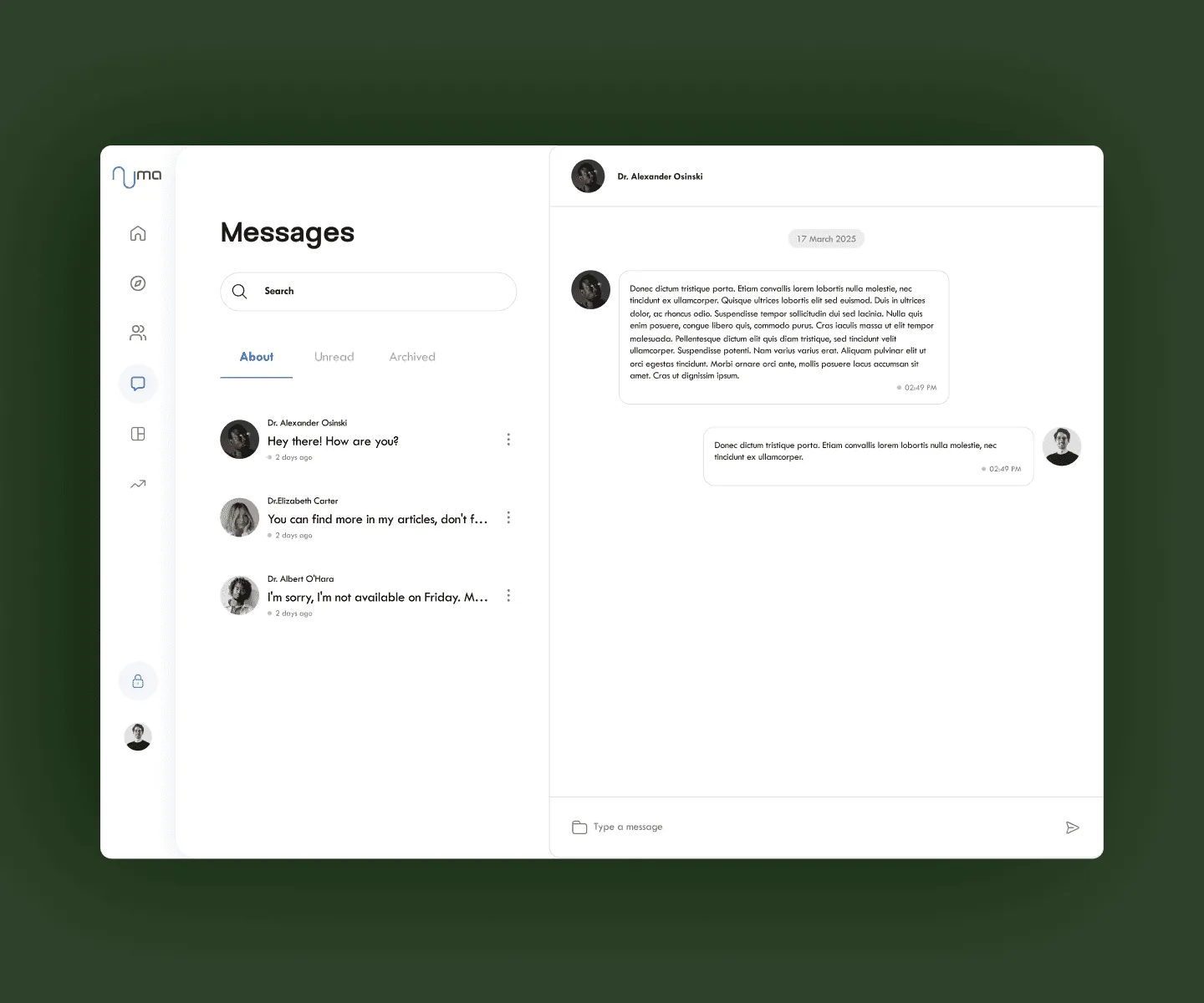
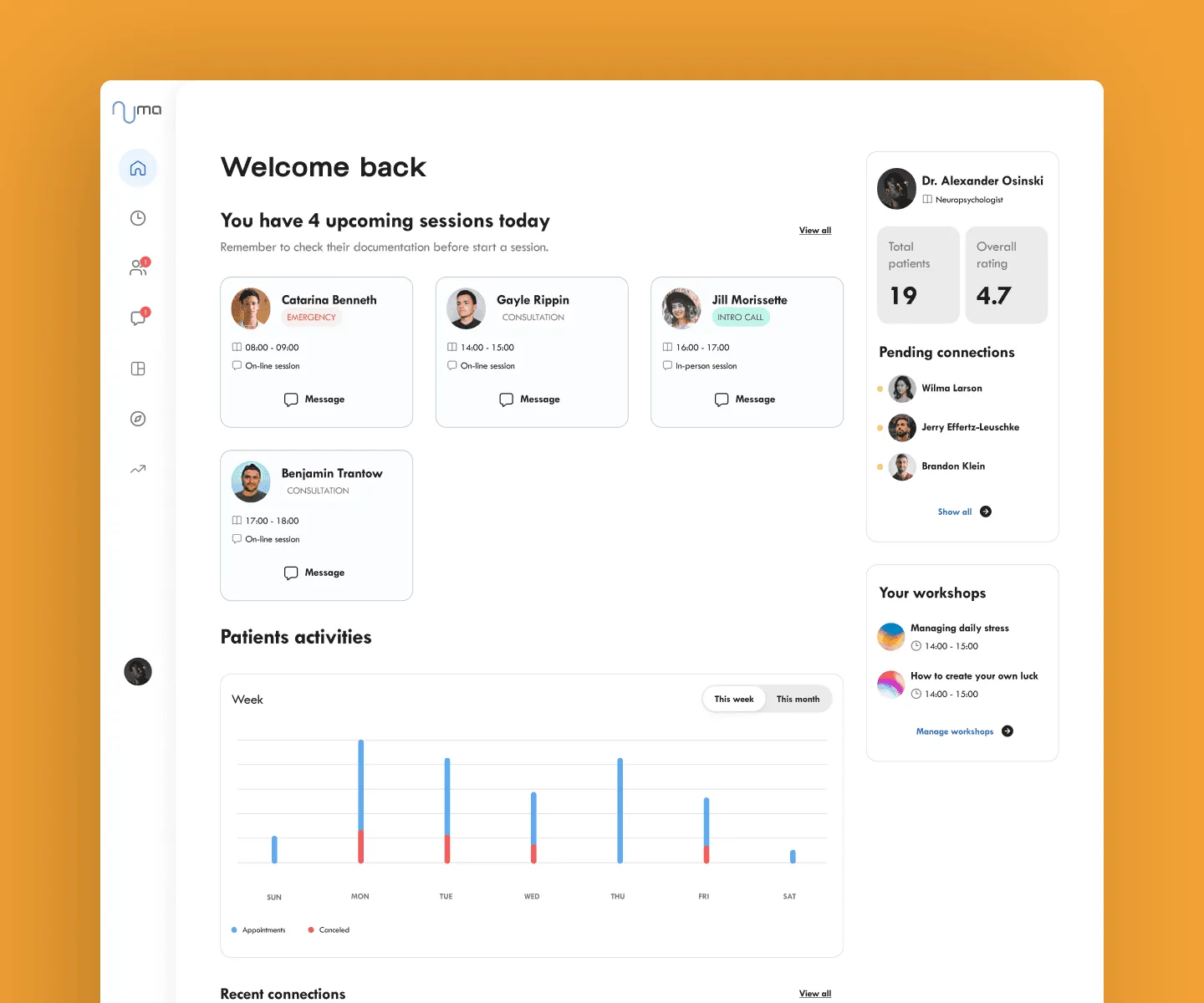
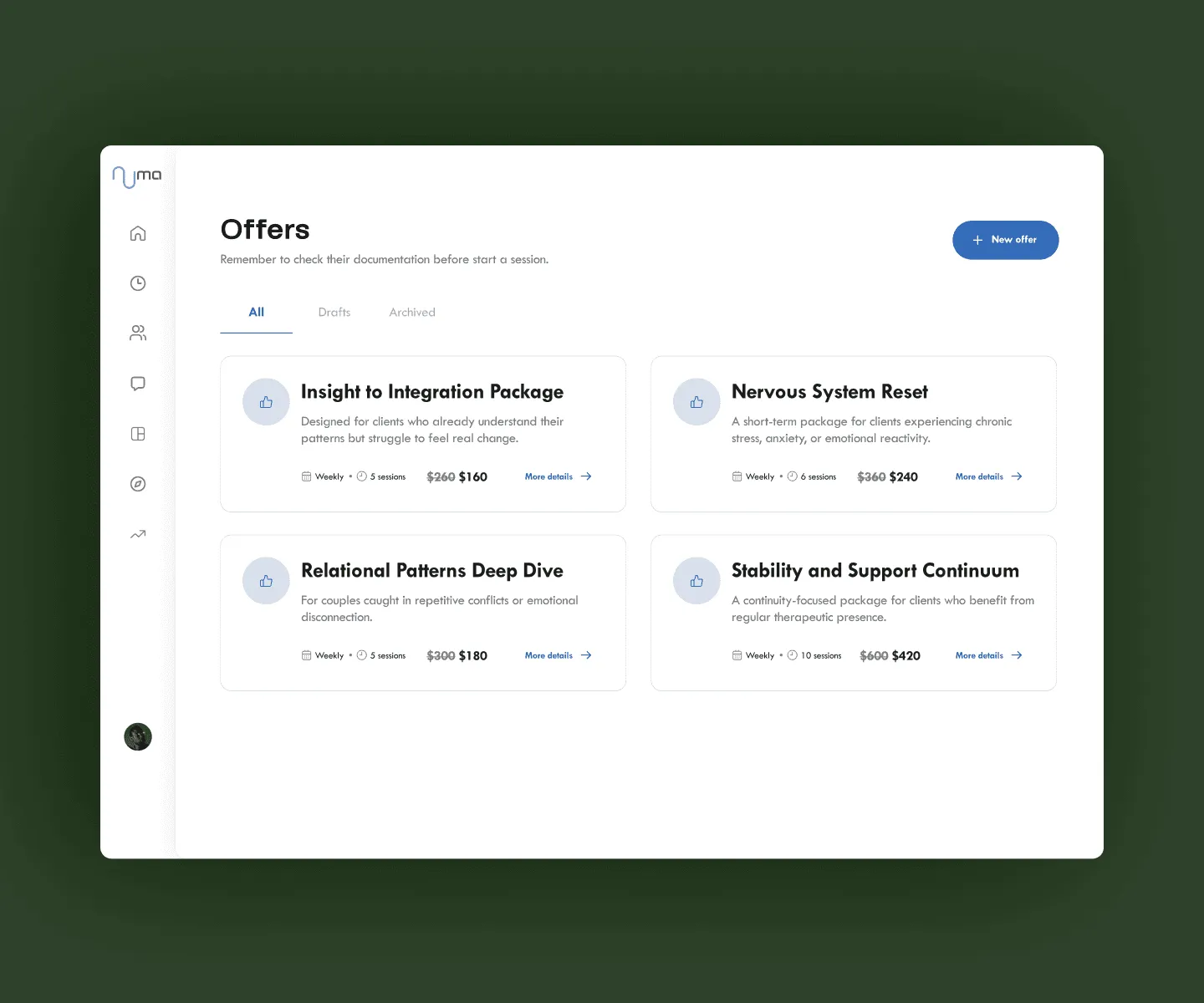
Important screens were designed early (login, dashboards, states)
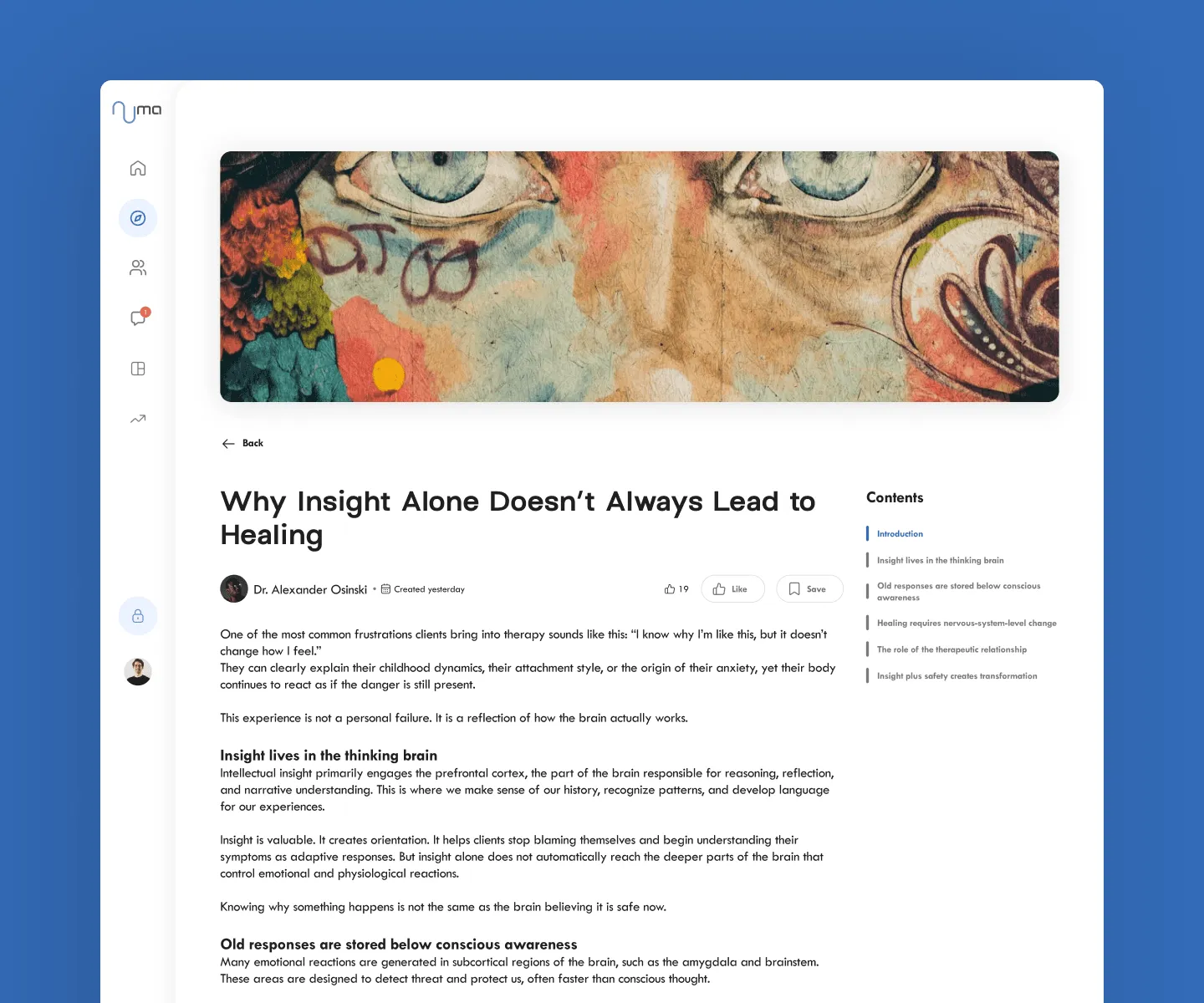
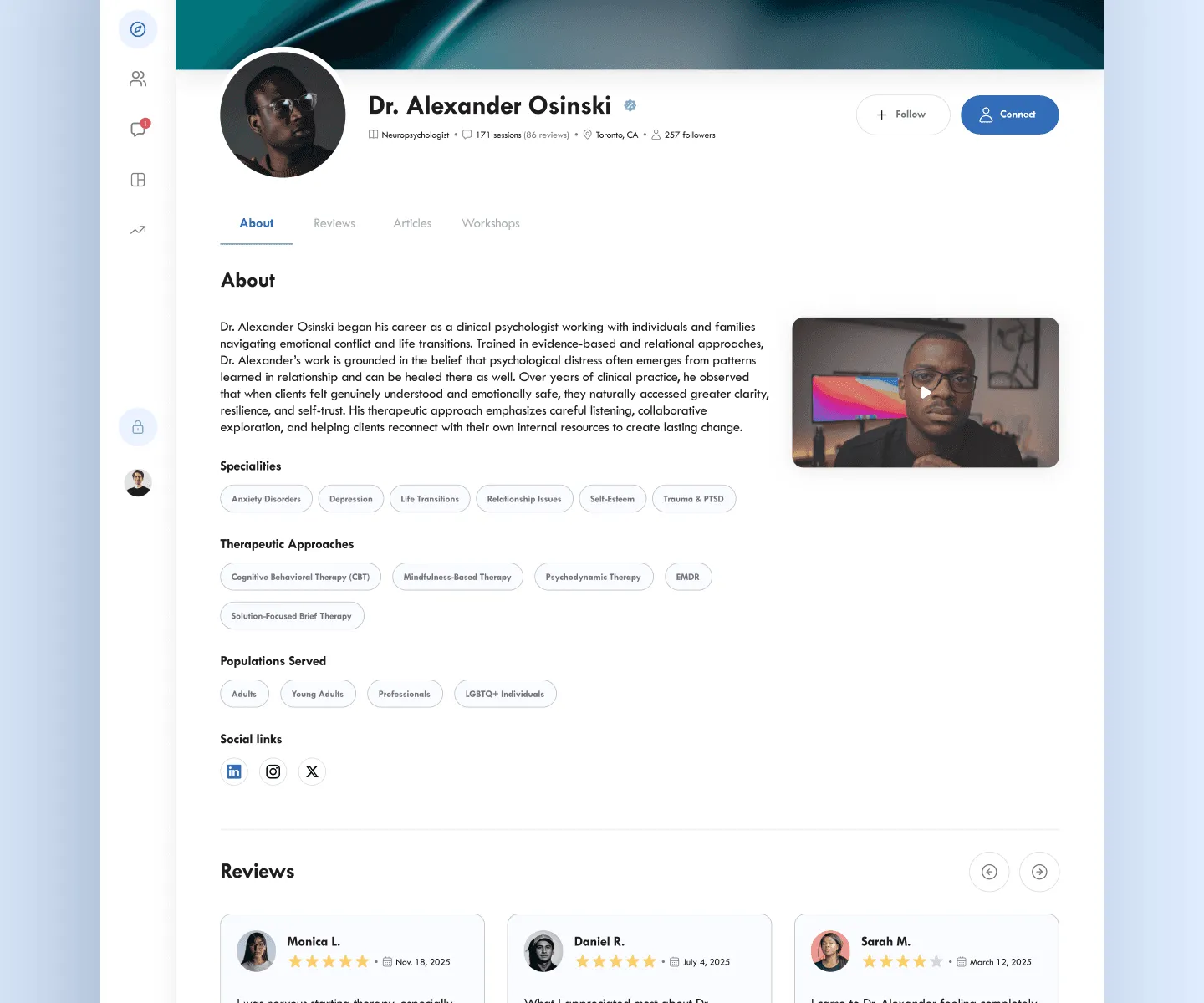
Visual direction evolved from “corporate tool” to feed-like platform
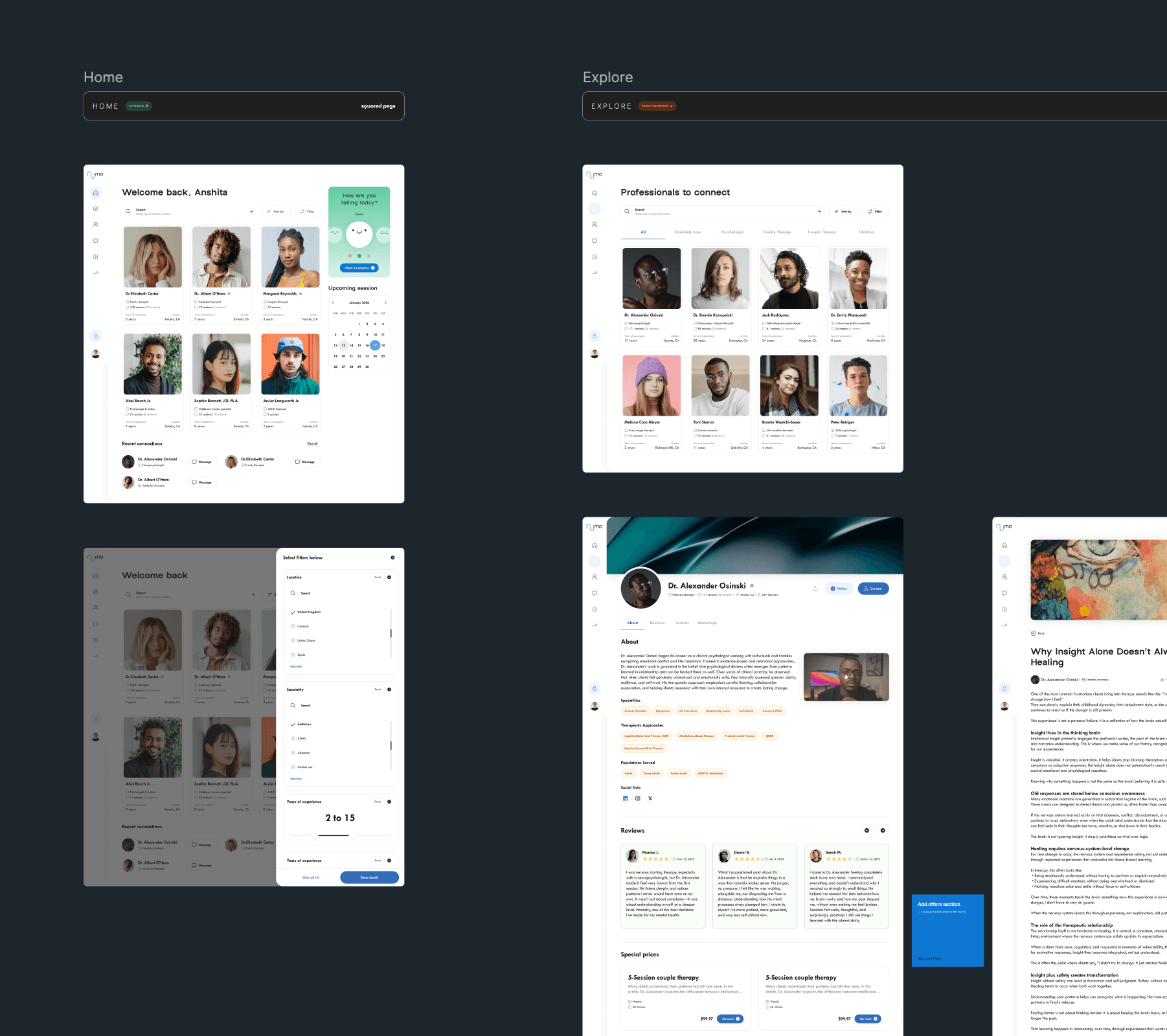
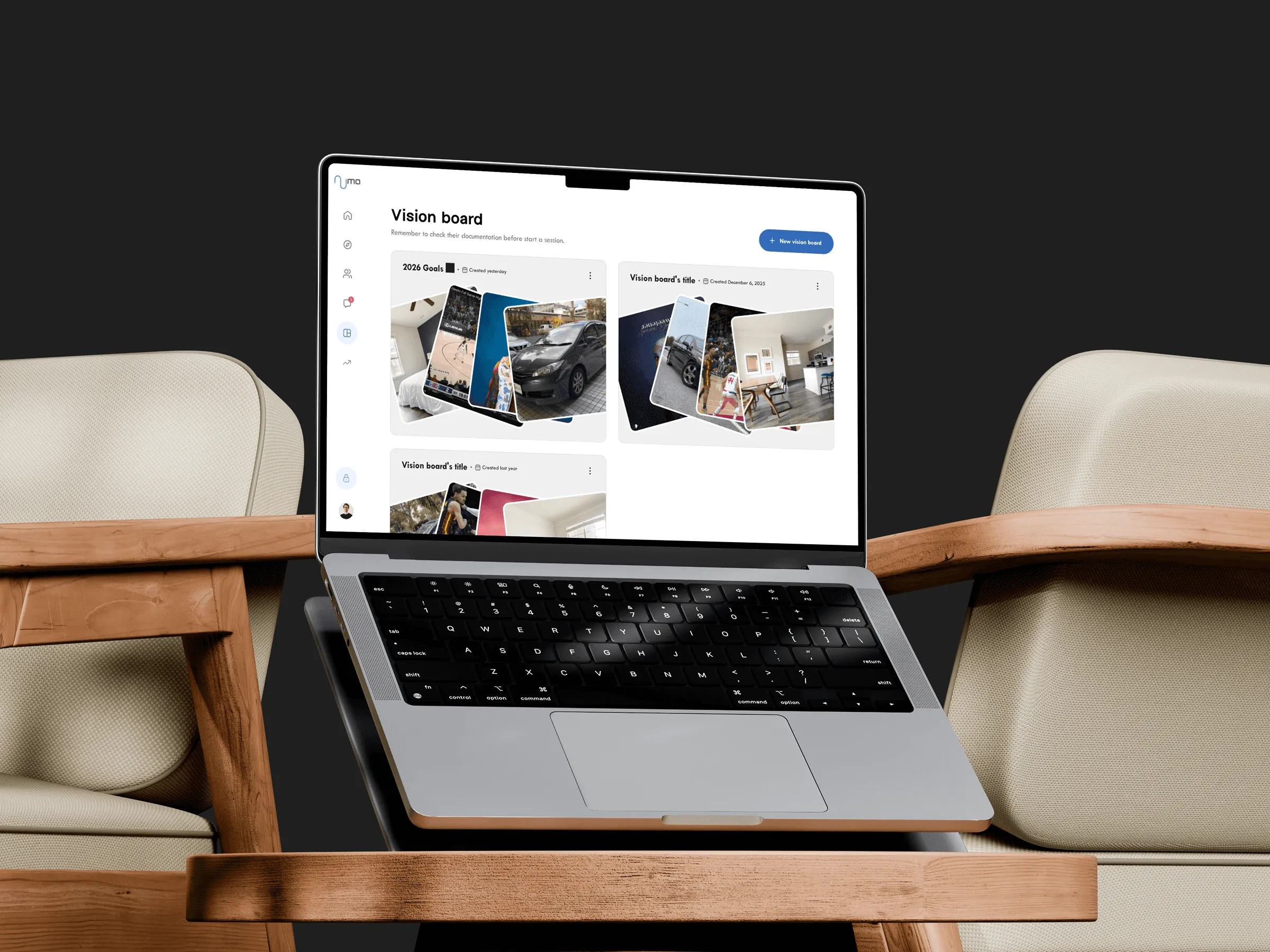
The final UI design was approachable, human, and content-centric, than a strict enterprise system.
This was particularly important in a mental health setting, where trust and familiarity are more valuable than innovation.
$400.000,00
investment approved
95%
user satisfaction
14 days early
delivered core MVP
In conclusion…
This project taught me a few things:
Users can be hard to reach – design still has to move forward
Constraints don’t decrease responsibility – they increase it
Design often exists to reduce business uncertainty, not just user friction
AI it’s a leverage tool, when used deliberately